Access to Fresh Foods in Rural Areas
By, Lexi Connor
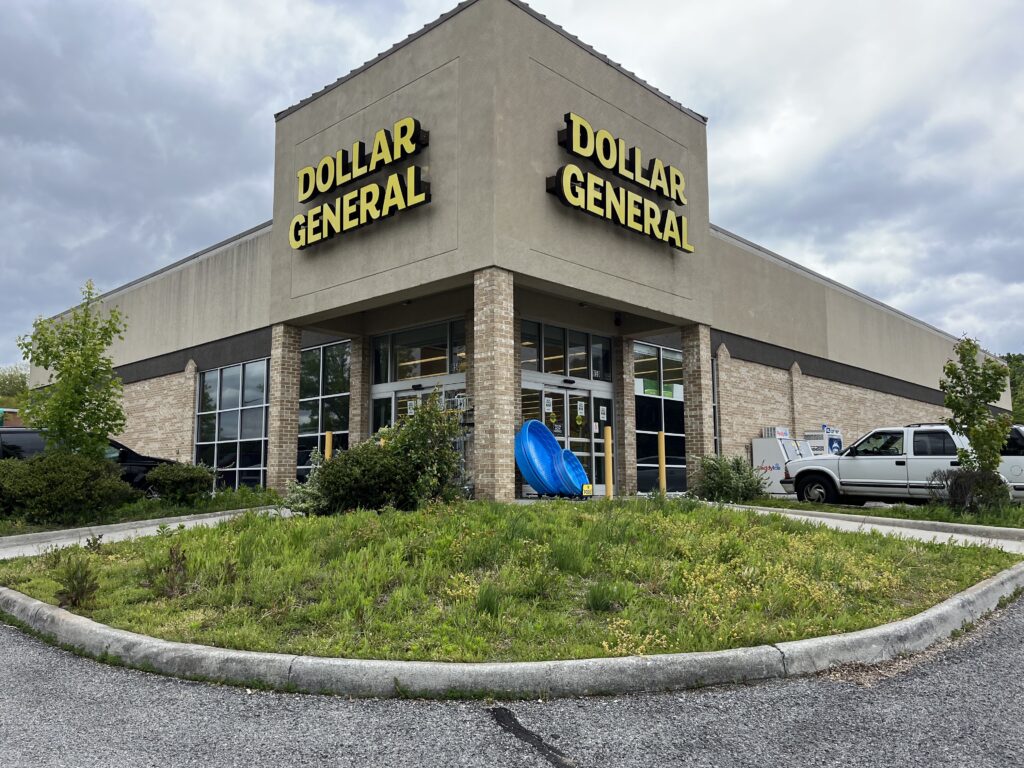
Over the past decade, Dollar Stores have been the fastest-growing food retail channel in more agricultural regions of the United States targeting lower-income households.
Access to food in rural areas of the U.S. has become a growing problem due to inflation that has increased by 11% between 2021 and 2022, according to the U.S. Government Accountability Office.
Poor rural households rely more on smaller grocery stores, which usually have higher than average food prices and reduced access to better foods as a result.
The food and drinks found at these types of stores commonly have higher calories and lower nutrients and do not sell fresher, healthier foods like fresh produce and meat. This can lead to poor health and obesity.
According to the National Library of Medicine, obesity rates in rural areas are about 6.2 times higher than in urban areas of the U.S.
Many people residing in these areas drive over an hour to get to the nearest grocery store after the ones in their area close due to lack of funds and inflation. This requires them to go to their nearest Dollar Store or Dollar General for everyday necessities and groceries.
Tori Webb, a longtime resident of Bath County, Virginia, has experienced these problems firsthand. “We would have to drive at least an hour to our nearest store or restaurant, forcing us to make the decision of using a day to go shopping or not.”
After moving to Northern Virginia, Webb said she realized for the first time it was not normal to drive far distances to get necessities like food.
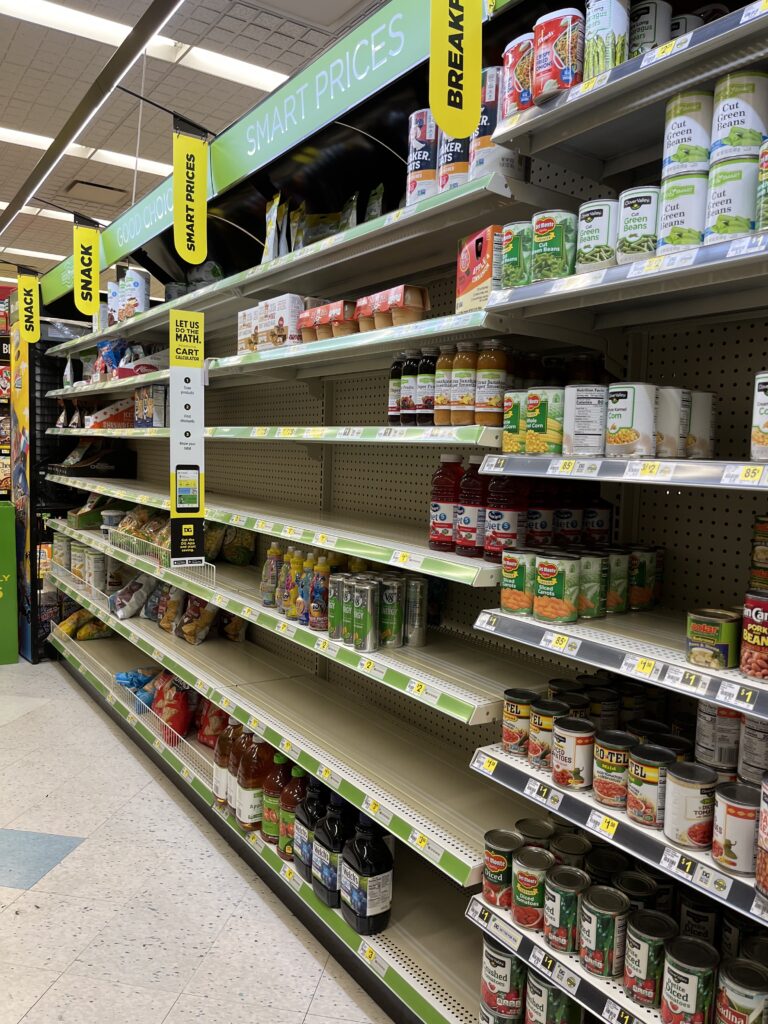
This experience is similar to the 6.1% of the U.S. population that live in agricultural areas according to the U.S. Department of Agriculture. This number ends up totaling around 18.8 million people nationwide.
The same study from the U.S. Department of Agriculture found around 8.6% of these households do not have a mode of transportation to get to these stores. This forces them to either find public transportation or walk.
“Forget going to the store when the roads are in rough shape, and there’s snow or other bad weather. We usually stock up on things we need if we can plan for events like these,” Webb added.
Unmaintained roads in mountainous areas, like some seen in rural Appalachia and New River Valley, can further accentuate tougher travel for some.
“When we were little, we had one car in the family and a trip to the nearest store would be a big thing for us since we lived in the mountains,” said Tammy Moore, a lifelong resident of Hickory North Carolina.
Moore also said that the nearest store to her home now is Dollar General. However, Dollar General does not offer a lot of variety in terms of fresh produce. Prices for everyday essentials are also more expensive at this store.
As such, the self-production of food products is an option residents in rural areas utilize. The area where Moore lives allows her to have a chicken coop and a seasonal garden. Moore said the coop and garden are how her household gets their fresh produce when they are not able to make it to the nearest grocery 15 miles away.
For now, this is the reality for the many people living in these areas, and the reliance on Dollar Generals will continue until more infrastructure is implemented in these areas.
Proudly powered by WordPress
